All about Black Magic
In today’s article, we will explore the defining traits of black magic. Also known as dark magic, we will examine its rituals and simpler spells to give you an insightful introduction to this fascinating branch of the magical arts.
When we talk about traditional black magic,commonly referred to as dark magic, we mean the use of supernatural powers for malevolent, controlling, or self-serving purposes. Regarding the dichotomy between the left-hand path and the right-hand path, black magic is considered the harmful counterpart to the benevolent practices of white magic. In modern times, the term "black magic" has often been misunderstood or misapplied, with many labeling any sorcery they disapprove of as black magic, regardless of its origins or true effects.
This color division is helpful because it guides you in understanding the type of forces to invoke and the outcomes to expect. Still, it is essential to remember that magic itself is not literally divided by color; the difference lies in the intent behind each spell, ritual, or magical act.
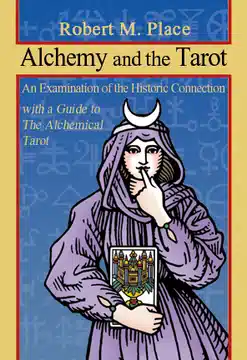 Like other magical traditions, the roots of black magic trace back to primitive and ritualistic spirit worship, as described by Robert M. Place in his 2009 book "Alchemy and the Tarot." Unlike white magic—which seeks common ground with early shamans aiming to connect with spirits—black magic rituals were designed to summon these same spirits for the practitioner’s personal gain. Black magic rituals were intended to invoke spirits for self-benefit rather than altruistic purposes.
Place also offers a modern, broad definition of black and white magic, preferring to classify them as high magic (white) and low magic (black) based primarily on the practitioner’s intention. He warns, however, that this distinction can mislead people into thinking that simple, popular spells fall under low magic, while elaborate, costly ceremonies constitute high magic—an interpretation that overlooks the importance of intent behind the magician’s actions.
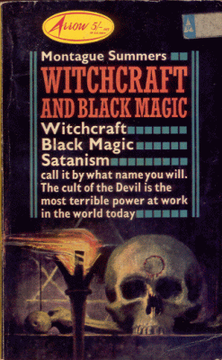
While magic gained traction among the educated elite of the 16th and 17th centuries, ritualistic and folk magic remained under persecution. The 20th-century author Montague Summers dismissed the distinction between black and white magic, noting that for centuries all magic was considered dark magic. He quoted William Perkins, who before his death in 1608 declared that "all witches sentenced by judges must be executed" without exception, including "diviners, enchanters, sorcerers, and those calling themselves wise men and women." Under this harsh judgment, all witches and warlocks faced merciless condemnation.
Specifically, the term witch referred to those who summoned demons and evil spirits, cursed neighbors, destroyed crops through magic, or were believed to leave their bodies to travel great distances spiritually. Summers also highlights the evolution of the term necromancer—from the Latin 'niger' meaning 'black', and the Greek 'manteia' meaning 'divination'—commonly taken to mean "expert in dark arts" from roughly 1200 to 1500.
Today, the distinction between white magic and black magic is clearer, primarily focusing on the practitioner’s intentions. Black magicis viewed distinctly from white magic based on purpose and effect. Modern Wicca and witchcraft communities strive to distance themselves from black magic practices. Those practicing Wicca with communal and positive intentions rarely accept harmful spells, as these traditions emphasize tolerance, kindness, self-discovery, and personal growth.
Spells involving true namesThis concept holds that knowing a person’s real name grants you control over them, even to harm them. It can also serve as a magical link or a means to break a spell. Ancient Egyptians famously guarded their birth names as sacred secrets; similarly, Jews guarded the name of God closely. Even today, popes and monarchs often assume new names to signify their authority and maintain these ancient traditions steeped in magical superstition.
Rituals of immortalityFrom a Taoist perspective, life has natural limits, and trying to extend existence beyond these opposes the flow of nature. Nonetheless, many sorcerers have sought secret rituals to achieve immortality, sparking controversy—since proving them ineffective would require the death of the practitioner. Some believe that life-extension rituals might be harmful, especially if they involve drawing energy from others through spells.
NecromancyNecromancy isn’t exclusive to black magic; it includes any magic involving death, whether for divination or for attempting to animate the dead—which differs from resurrection.
Curses and spellsA curse involves directing harm toward someone through complex rituals that may involve candles, incense, chants, and dances, ultimately channeling negative forces to inflict damage.
Demonic witchcraft is another branch of black magic centered on Lucifer. This form involves invocations, satanic rituals, and demonic curses.
Black magic is often used to harm or exact revenge against someone who has wronged us, but never for protection or healing purposes. Its primary functions revolve around control and destruction, making it a particularly dangerous branch of magic that demands careful and respectful handling. Any black magic ritual should be performed with the utmost caution and reverence for the spiritual forces being conjured.
Now, let’s examine an example of how dark magic spells might be applied.
Love spells are generally categorized as "love magic," though they often encompass emotions like jealousy, passion, and other feelings tied to romantic relationships. People seek love spells for many reasons: insecurity, fear of heartbreak, to protect a partner, or to initiate a new relationship. Whatever the motivation, these reasons often lead individuals to seek the aid of black magic love spells.
It’s crucial to approach matters of love with patience and discretion, as the topic is sensitive. Additionally, love spells can be highly effective and may carry unintended consequences, including manipulative or harmful influences.
Continue reading: real black magic
Later in this article, we’ll outline common symptoms experienced by victims of dark magic. To preview, such individuals often suffer from insomnia, mood swings, sudden bouts of anger, and sometimes even bad breath, all of which can signal revenge spells cast against them.
Before engaging in retaliation or revenge spells, it’s vital to acknowledge the dangers inherent in the negative energies involved. These forces can be difficult to control and may engulf the caster in persistent darkness if not handled carefully. We must accept responsibility for the possibility of causing lasting spiritual and physical harm through spells fueled by excessive hatred or boundless grudges. Unchecked energies unleashed by black magic revenge rituals often lead to unpredictable outcomes.
I strongly recommend thorough meditation and soul-calming practices before performing any black magic spells. This prepares you to maintain full control over your forces, intentions, and emotions, reducing the risk of mishaps during the ritual.
A spell to immobilize an opponent or enemy
Indeed, voodoo maintains its own distinction between black and white magic. Practitioners known as Bokors are famous for employing spells and rituals from both spectrums. Nonetheless, voodoo’s frequent references to curses, poisons, and zombies have caused it to be closely associated with black magic, to the point that the two are often seen as inseparable.
Hoodoo magic, a religious practice related to these traditions, often involves the use of black magic by its followers.
It is said that the 17th-century priest Étienne Guibourg performed a series of black masses alongside Catherine Monvoisin for Madame de Montespan.
These ideas continue to evolve, with some Satanic texts included in white magic spell collections. For example, the 16th-century writings of John Dee appear in the Satanic Bible, written by Anton LaVeyin 1969. Many practices once regarded as white magic are now classified under black magic treaties. The Church of Satan, founded on LaVey’s Bible, officially denies the efficacy of occult rituals but acknowledges their psychological impact—drawing a clear line between ritual symbolism and supernatural power.
While the distinction between dark and white magic rests on the witch’s intent, Satanism makes no such division. Magic is magic, whether used to heal or to harm. Satanism empowers practitioners to define what is just and then harness magic to realize their aims.
Satanism is not a religion of light, but of flesh, the earthly, and the carnal, all governed by Satan—the embodiment of the left-hand path.
Read more here: Satan Rituals
Black magic isn’t a science or a religion; it doesn’t follow a fixed set of rules or doctrines. Instead, it comprises rituals rooted in ancient beliefs and practices passed down over time, designed to attract natural forces to achieve specific aims. When such forces are summoned for selfish or personal benefit, this is broadly referred to as black magic.
First, familiarize yourself with the names of demons, angels, spirits, deities, or any entities you intend to summon.
Next, learn the symbols and signs associated with these supernatural beings.
Study seals, such as the Seal of Solomon.
These are some of the most common signs displayed by black magic victims. Unfortunate events, bad news, or unexpected negative circumstances can be key indicators. It’s also frequently reported that victims feel as if they are being watched constantly.
This concludes our article on black magic.To continue your journey, explore articles on magical secrets, the Hoodoo religion, and Satanic spells.
When we talk about traditional black magic,commonly referred to as dark magic, we mean the use of supernatural powers for malevolent, controlling, or self-serving purposes. Regarding the dichotomy between the left-hand path and the right-hand path, black magic is considered the harmful counterpart to the benevolent practices of white magic. In modern times, the term "black magic" has often been misunderstood or misapplied, with many labeling any sorcery they disapprove of as black magic, regardless of its origins or true effects.
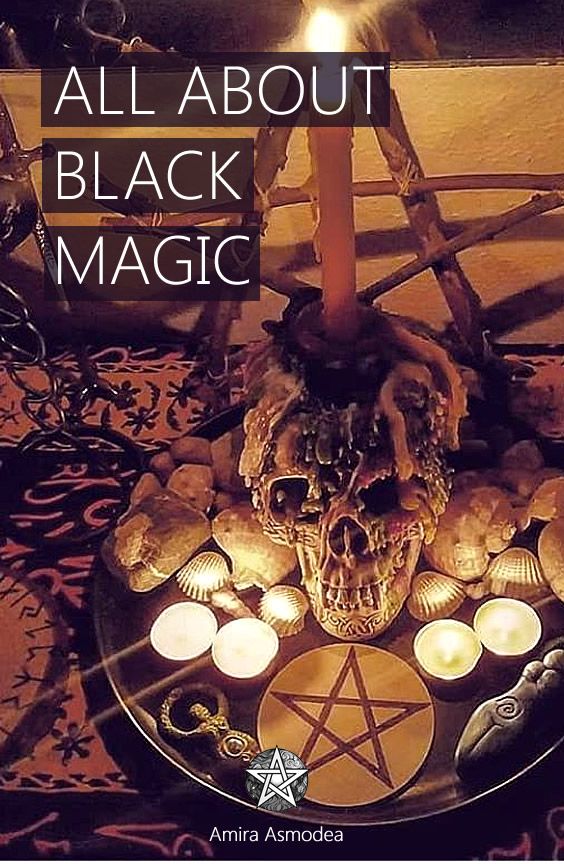 |
Table of contents
- What black magic spells are
- The history of black magic
- Black magic rituals
- Black magic or dark magic practices
- Black magic and love spells
- Black magic and revenge spells
- Voodoo and black magic
- Christians and black magic Black magic
- The worship of the devil in black magic and Satanism Satanism
- Tips for practicing black magic
- Signs of black magic Black magic
What black magic spells are
You might be wondering, what exactly is black magic? There is much debate aimed at defining black magic precisely, as well as determining which spells and rituals fall under this category of magical arts. All discussions center on what separates black magic from white magic and other types, like red or green magic. To put it simply, magic itself isn’t truly characterized by color—it’s the channeling of energy through prayers, rites, and spells. However, traditional practice divides magic by color: black magic is associated with harmful intent—to injure, dominate, or destroy—while white magic focuses on protection, creation, and liberation.This color division is helpful because it guides you in understanding the type of forces to invoke and the outcomes to expect. Still, it is essential to remember that magic itself is not literally divided by color; the difference lies in the intent behind each spell, ritual, or magical act.
The history of black magic rituals
Place also offers a modern, broad definition of black and white magic, preferring to classify them as high magic (white) and low magic (black) based primarily on the practitioner’s intention. He warns, however, that this distinction can mislead people into thinking that simple, popular spells fall under low magic, while elaborate, costly ceremonies constitute high magic—an interpretation that overlooks the importance of intent behind the magician’s actions.
Magic during the Renaissance
In the Renaissance period, many magical and ritual practices were branded as evil and anti-religious, broadly categorized as dark magic. Witchcraft, tarot reading, and esoteric studies were outlawed and fiercely persecuted by the Inquisition. As a consequence, magic became an alternative avenue for intellectuals and the curious, such as Marsilio Ficino,the Abbot Johannes Trithemius, and Heinrich Cornelius Agrippa, who advanced esoteric and ritualistic knowledge despite facing severe oppression.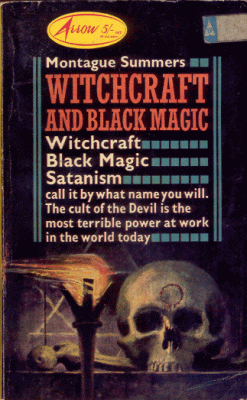
While magic gained traction among the educated elite of the 16th and 17th centuries, ritualistic and folk magic remained under persecution. The 20th-century author Montague Summers dismissed the distinction between black and white magic, noting that for centuries all magic was considered dark magic. He quoted William Perkins, who before his death in 1608 declared that "all witches sentenced by judges must be executed" without exception, including "diviners, enchanters, sorcerers, and those calling themselves wise men and women." Under this harsh judgment, all witches and warlocks faced merciless condemnation.
Specifically, the term witch referred to those who summoned demons and evil spirits, cursed neighbors, destroyed crops through magic, or were believed to leave their bodies to travel great distances spiritually. Summers also highlights the evolution of the term necromancer—from the Latin 'niger' meaning 'black', and the Greek 'manteia' meaning 'divination'—commonly taken to mean "expert in dark arts" from roughly 1200 to 1500.
Today, the distinction between white magic and black magic is clearer, primarily focusing on the practitioner’s intentions. Black magicis viewed distinctly from white magic based on purpose and effect. Modern Wicca and witchcraft communities strive to distance themselves from black magic practices. Those practicing Wicca with communal and positive intentions rarely accept harmful spells, as these traditions emphasize tolerance, kindness, self-discovery, and personal growth.
Black magic rituals
During his academic career, A. E. Waite compiled an extensive collection of black magic practices, rituals, and traditions in his renowned "Book of Black and Ceremonial Magic." Subsequent practitioners have expanded on his work, adding various concepts associated with black magic, including:Spells involving true namesThis concept holds that knowing a person’s real name grants you control over them, even to harm them. It can also serve as a magical link or a means to break a spell. Ancient Egyptians famously guarded their birth names as sacred secrets; similarly, Jews guarded the name of God closely. Even today, popes and monarchs often assume new names to signify their authority and maintain these ancient traditions steeped in magical superstition.
Rituals of immortalityFrom a Taoist perspective, life has natural limits, and trying to extend existence beyond these opposes the flow of nature. Nonetheless, many sorcerers have sought secret rituals to achieve immortality, sparking controversy—since proving them ineffective would require the death of the practitioner. Some believe that life-extension rituals might be harmful, especially if they involve drawing energy from others through spells.
NecromancyNecromancy isn’t exclusive to black magic; it includes any magic involving death, whether for divination or for attempting to animate the dead—which differs from resurrection.
Curses and spellsA curse involves directing harm toward someone through complex rituals that may involve candles, incense, chants, and dances, ultimately channeling negative forces to inflict damage.
Applications of black or dark magic
Black magic’s uses are as varied as other dark magics. It can be employed for love spells, revenge rituals, ancient rites, or curses. Whether labeled "black magic spells" or simply "dark magic," the concept remains the same—any form of harmful sorcery falls within this realm.Demonic witchcraft is another branch of black magic centered on Lucifer. This form involves invocations, satanic rituals, and demonic curses.
Black magic is often used to harm or exact revenge against someone who has wronged us, but never for protection or healing purposes. Its primary functions revolve around control and destruction, making it a particularly dangerous branch of magic that demands careful and respectful handling. Any black magic ritual should be performed with the utmost caution and reverence for the spiritual forces being conjured.
Now, let’s examine an example of how dark magic spells might be applied.
Black magic and love spells
Love spells are relatively uncommon within black magic. When someone abandons a marriage without reason or a person defies another’s will, this can be clear evidence of black magic employed in love.Love spells are generally categorized as "love magic," though they often encompass emotions like jealousy, passion, and other feelings tied to romantic relationships. People seek love spells for many reasons: insecurity, fear of heartbreak, to protect a partner, or to initiate a new relationship. Whatever the motivation, these reasons often lead individuals to seek the aid of black magic love spells.
 |
It’s crucial to approach matters of love with patience and discretion, as the topic is sensitive. Additionally, love spells can be highly effective and may carry unintended consequences, including manipulative or harmful influences.
Continue reading: real black magic
Examples of black magic and love spells
- Spell to break a love bond
- Different types of love spells
- Spell to permanently separate friends
- Black magic to control others
- How to perform black magic
Black magic and revenge spells
In many cases, I would say the vast majority, those who participate in black magic rituals driven by revenge do so because they harbor intense hatred toward a particular person. Often, this desire for vendetta arises when the individual feels powerless to influence the other’s actions, prompting them to seek assistance from higher, potent forces.Later in this article, we’ll outline common symptoms experienced by victims of dark magic. To preview, such individuals often suffer from insomnia, mood swings, sudden bouts of anger, and sometimes even bad breath, all of which can signal revenge spells cast against them.
 |
| Revenge spells involving black magic |
Before engaging in retaliation or revenge spells, it’s vital to acknowledge the dangers inherent in the negative energies involved. These forces can be difficult to control and may engulf the caster in persistent darkness if not handled carefully. We must accept responsibility for the possibility of causing lasting spiritual and physical harm through spells fueled by excessive hatred or boundless grudges. Unchecked energies unleashed by black magic revenge rituals often lead to unpredictable outcomes.
I strongly recommend thorough meditation and soul-calming practices before performing any black magic spells. This prepares you to maintain full control over your forces, intentions, and emotions, reducing the risk of mishaps during the ritual.
Here is an example of a black magic revenge spell:
A spell to immobilize an opponent or enemyVoodoo and black magic
Black magic is typically linked to the use of supernatural or malevolent powers for selfish personal gain. Voodoo, too, has become associated with black magicdue to its portrayal in popular culture and fiction. However, while spells and curses are widely acknowledged practices of black magic, voodoo has its own distinct history and traditions, vastly different from European medieval witchcraft traditions upheld by practitioners like Gerald Gardner or Aleister Crowley. Voodoo’s origins lie in Africa, carried through to the Caribbean villages.Indeed, voodoo maintains its own distinction between black and white magic. Practitioners known as Bokors are famous for employing spells and rituals from both spectrums. Nonetheless, voodoo’s frequent references to curses, poisons, and zombies have caused it to be closely associated with black magic, to the point that the two are often seen as inseparable.
Hoodoo magic, a religious practice related to these traditions, often involves the use of black magic by its followers.
Christians and black magic
The relationship between black magic and religion is complex and varied. Beyond the connections between black magic, Satanism, and the historical persecution from Christians and the Inquisition, black magic rituals share many similarities with religious ceremonies. For example, the black mass is a profane parody of the Catholic mass. Likewise, initiation ceremonies in black magic parallel the baptism of children in the Catholic Church.It is said that the 17th-century priest Étienne Guibourg performed a series of black masses alongside Catherine Monvoisin for Madame de Montespan.
The worship of the devil in black magic and Satanism
Popular culture has lumped many practical magical practices under the umbrella of "black magic," including Satanism. While invoking demons or spirits is accepted within black magic, worship or reverence of these beings is a distinct practice.These ideas continue to evolve, with some Satanic texts included in white magic spell collections. For example, the 16th-century writings of John Dee appear in the Satanic Bible, written by Anton LaVeyin 1969. Many practices once regarded as white magic are now classified under black magic treaties. The Church of Satan, founded on LaVey’s Bible, officially denies the efficacy of occult rituals but acknowledges their psychological impact—drawing a clear line between ritual symbolism and supernatural power.
While the distinction between dark and white magic rests on the witch’s intent, Satanism makes no such division. Magic is magic, whether used to heal or to harm. Satanism empowers practitioners to define what is just and then harness magic to realize their aims.
Satanism is not a religion of light, but of flesh, the earthly, and the carnal, all governed by Satan—the embodiment of the left-hand path.
Read more here: Satan Rituals
Tips for practicing black magic
Black magic is an art form, and like all arts, mastering it requires dedicated practice. Without delving into the ethical debates surrounding black magic, let’s consider some fundamental tips for beginning its practice.Black magic isn’t a science or a religion; it doesn’t follow a fixed set of rules or doctrines. Instead, it comprises rituals rooted in ancient beliefs and practices passed down over time, designed to attract natural forces to achieve specific aims. When such forces are summoned for selfish or personal benefit, this is broadly referred to as black magic.
First, familiarize yourself with the names of demons, angels, spirits, deities, or any entities you intend to summon.
Next, learn the symbols and signs associated with these supernatural beings.
Study seals, such as the Seal of Solomon.
Other tips to enhance your skills include:
- Practice meditation to improve your communication with entities from other realms. Experiment with different meditation and concentration techniques to reach trance states.
- Learn and repeatedly practice basic spells to hone your craft. Our site offers many beginner-friendly spells.
- Expand your thinking by challenging yourself to approach problems and mysteries from unconventional angles, keeping your mind sharp.
- Study the history and origins of black magic.
- Exercise your willpower.
- Cultivate a strong belief in your intentions and abilities.
- Ultimately, the key to improvement and success is consistent practice paired with patience.
Signs of black magic
A common question among magic practitioners is: what are the signs of black magic? People who have fallen victim to black magic often exhibit one or more of the following typical symptoms in the short term.- Insomnia
- Unexplained fatigue
- Irritability
- Sudden, unaccountable financial loss
- Illness
- Troubled relationships
These are some of the most common signs displayed by black magic victims. Unfortunate events, bad news, or unexpected negative circumstances can be key indicators. It’s also frequently reported that victims feel as if they are being watched constantly.
This concludes our article on black magic.To continue your journey, explore articles on magical secrets, the Hoodoo religion, and Satanic spells.
Bibliography
- Zambelli, Paola. White Magic, Black Magic in the European Renaissance: From Ficino, Pico, Della Porta to Trithemius, Agrippa, Bruno. Studies in Medieval and Reformation Traditions, vol. 125, Brill, 2007, x + 282 pp. ISBN 978-90-04-16098-9. Cambridge Core. Google Books.
- Miller, Jason. Protection & Reversal Magick: A Witch's Defense Manual. Revised and updated edition, Weiser Books, 2023, 224 pp. ISBN 978-1-57863-799-7. Google Books.
- Doreen Valiente. An ABC of Witchcraft Past and Present. Robert Hale, an imprint of The Crowood Press, 1999. ISBN 9780719826917.