Mapuche wisdom: how to get health and wellness?
Today, we refer to the comprehensive and integrative understanding used to address physical, mental, and spiritual issues that impact us as holistic insight. The Mapuche people, indigenous to South America, have practiced this wisdom from its very origins. They understood not only what it is but also how to maintain their inner and outer balance.
The healing tradition of the Mapuche, who still inhabit the Patagonia region of South America, centers on medicinal plants and ceremonies that foster harmony with nature and the cosmos. Their spiritual connection to Mother Earth, reverence for their origins, and strong communal respect provide a profound framework for sustaining health and well-being.
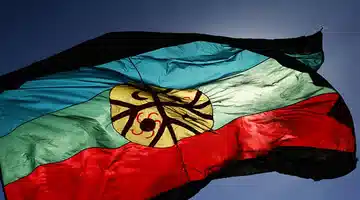
The Mapuche have developed a holistic approach to healing: when confronted with an issue, they first strive to preserve or restore the disrupted balance with nature and social harmony. When a community member falls ill, the healers or elder wise ones assess symptoms from every angle—spiritual, mental, and physical—ensuring that treatment addresses the whole person comprehensively.
To truly grasp their approach, we must first understand the Mapuche philosophical worldview. This community recognizes that humans are part of the Earth, which generously provides all our resources. Mapuche wisdom teaches that everything possesses strength and spirit ('newen-falintu') and thus merits respect. Nothing is owned outright; rather, humans belong to the Earth and use its gifts responsibly. Identifying as "sons of the Earth"—or 'nuke mapu'—they cultivate a vital harmony through this conscious connection.
The primary healer roles include:
MACHI: This individual is responsible for natural healing and is the only authorized person who can communicate directly with creative and protective spirits. The Machi is a special figure—a type of shaman—who possesses ancestral wisdom and is trained to perform the diagnostic process.
LAWENCHE: Known also as meica or 'hierbatero,' this is the healer who understands the medicinal properties of plants and natural remedies. They know which herbs to use and the right times to prepare ointments, creams, teas, and infusions to treat physical ailments within the community.
Ngutamchefe: This healer specializes in setting broken or displaced bones and understands the structure, function, and proper alignment of the skeletal system.
PUNENELCHEFE: The person who manages matters related to maternity and childbirth.
Central to the Mapuche worldview regarding illness and healing is the concept of balance or imbalance of energies. Everything that happens in nature affects the Mapuche deeply. If someone disrupts this balance by violating the laws of nature or society, they face consequences, suffering disease—known as 'kutran'—as a result of this imbalance.
Another key Mapuche term is 'wekufe' or 'wekufu,' which refers to all negative and unknown forces that can cause 'kutran' or illness. Only a Machi can confront and eliminate the 'wekufe' because they have the necessary qualifications to face and battle these harmful energies. Through complex rituals aided by positive spirits, the Machi restores balance between opposing forces, transforming evil into good and returning health to the individual.
The most important healer is the Machi, whose ceremonies and healing practices focus not on merely alleviating symptoms but on addressing the root cause of illness. These treatments demand significant spiritual energy and power to release the spirit that has thrown the person off balance. This method is the true remedy for restoring a patient’s well-being.
When a Mapuche seeks to regain lost harmony and balance, they turn to the Machi, who acts as an intermediary with the creative spirits. The Machi’s role culturally embodies the ancestral spirits’ messenger, a warrior against disease and evil forces, and a guardian of sacred codes and customs aimed at community welfare. The Machi is also an expert in herbal medicines, places great importance on dreams, and serves as the priest during collective ceremonies such as the Nguillatun (detailed below).
This concludes our article on Mapuche wisdom and how it fosters health and well-being.You’re welcome to continue exploring this site to discover more about white magic and ritual spells for love, prosperity, and health.
The healing tradition of the Mapuche, who still inhabit the Patagonia region of South America, centers on medicinal plants and ceremonies that foster harmony with nature and the cosmos. Their spiritual connection to Mother Earth, reverence for their origins, and strong communal respect provide a profound framework for sustaining health and well-being.
HEALING THROUGH INTEGRATION
The Mapuche have developed a holistic approach to healing: when confronted with an issue, they first strive to preserve or restore the disrupted balance with nature and social harmony. When a community member falls ill, the healers or elder wise ones assess symptoms from every angle—spiritual, mental, and physical—ensuring that treatment addresses the whole person comprehensively.
To truly grasp their approach, we must first understand the Mapuche philosophical worldview. This community recognizes that humans are part of the Earth, which generously provides all our resources. Mapuche wisdom teaches that everything possesses strength and spirit ('newen-falintu') and thus merits respect. Nothing is owned outright; rather, humans belong to the Earth and use its gifts responsibly. Identifying as "sons of the Earth"—or 'nuke mapu'—they cultivate a vital harmony through this conscious connection.
THE ROLES OF HEALERS
The Mapuche developed a healing system aimed at restoring balance within individuals and their community. This system integrates spirituality, emotional health, and cognitive understanding through a collection of knowledge and practices.The primary healer roles include:
MACHI: This individual is responsible for natural healing and is the only authorized person who can communicate directly with creative and protective spirits. The Machi is a special figure—a type of shaman—who possesses ancestral wisdom and is trained to perform the diagnostic process.
LAWENCHE: Known also as meica or 'hierbatero,' this is the healer who understands the medicinal properties of plants and natural remedies. They know which herbs to use and the right times to prepare ointments, creams, teas, and infusions to treat physical ailments within the community.
Ngutamchefe: This healer specializes in setting broken or displaced bones and understands the structure, function, and proper alignment of the skeletal system.
PUNENELCHEFE: The person who manages matters related to maternity and childbirth.
MAINTAINING BALANCE
Central to the Mapuche worldview regarding illness and healing is the concept of balance or imbalance of energies. Everything that happens in nature affects the Mapuche deeply. If someone disrupts this balance by violating the laws of nature or society, they face consequences, suffering disease—known as 'kutran'—as a result of this imbalance.Another key Mapuche term is 'wekufe' or 'wekufu,' which refers to all negative and unknown forces that can cause 'kutran' or illness. Only a Machi can confront and eliminate the 'wekufe' because they have the necessary qualifications to face and battle these harmful energies. Through complex rituals aided by positive spirits, the Machi restores balance between opposing forces, transforming evil into good and returning health to the individual.
MAPUCHE WISDOM IN PRACTICE
The most important healer is the Machi, whose ceremonies and healing practices focus not on merely alleviating symptoms but on addressing the root cause of illness. These treatments demand significant spiritual energy and power to release the spirit that has thrown the person off balance. This method is the true remedy for restoring a patient’s well-being.
When a Mapuche seeks to regain lost harmony and balance, they turn to the Machi, who acts as an intermediary with the creative spirits. The Machi’s role culturally embodies the ancestral spirits’ messenger, a warrior against disease and evil forces, and a guardian of sacred codes and customs aimed at community welfare. The Machi is also an expert in herbal medicines, places great importance on dreams, and serves as the priest during collective ceremonies such as the Nguillatun (detailed below).
THE NGUILLATUN CEREMONY
Nguillatun—also known as Camaruco or Kamarikun—is the quintessential Mapuche ceremony par excellence.For three continuous days and nights, participants engage in dancing, singing, body painting, and prayers directed toward ‘Nguenechén’—the protector of humankind—imploring blessings for crops, animals, fertility, and general well-being. This ritual occurs once a year in a sacred, open, circular space.This concludes our article on Mapuche wisdom and how it fosters health and well-being.You’re welcome to continue exploring this site to discover more about white magic and ritual spells for love, prosperity, and health.