Voodoo Gods: Deities and Spirits of the Voodoo
The gods of Voodoo in Haiti The deities of Voodoo in Haiti, along with their counterparts in Brazil's Candomblé and Cuba's Santería, have roots in the mythologies of West Africa. However, they have also been profoundly shaped by the experiences of slavery and the influence of Catholicism in the New World.
The term 'Voodoo' comes from the Fon language of West Africa, where it means 'God.' The word 'loa,' meaning spirit, derives from the Congo region.
Voodoo is a religion that encompasses many invocations dedicated to addressing the human condition in ways that concern the faithful and sustain them spiritually. However, traditional mythology in the usual sense—like stories of creation or heroic deeds of gods—is scarce. This is because the gods in Voodoo actively intervene in the lives of their followers, sometimes even possessing them during rituals. Therefore, it is the gods’ present-day personalities and attributes as living beings that matter more than their backstories. For instance, reports of a group of Ghede spirits besieging the Presidential Palace seem to illustrate how Voodoo gods possess real political power and influence in Haitian life.
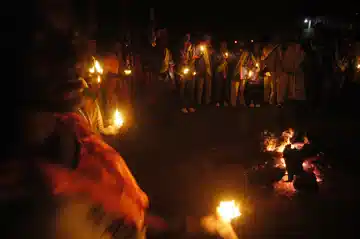
On one occasion, a multitude of Ghede—Voodoo priests possessed by the spirit—marched on President Borno’s Palace in Port-au-Prince, singing, "Papa Ghede is a handsome fellow." All were dressed in their finest Ghede attire: top hat, coat tails, dark sunglasses, smoking cigarettes or cigars, and carrying canes. When they arrived, they demanded money, and the President, fully aware that no force is more powerful than death itself, complied. Ghede wears dark glasses because spending so much time beneath the Earth makes his eyes sensitive to sunlight. With his left eye, he watches over the universe, and with his right eye, he keeps an eye on his food.
Believers in Ogoun hold that during rituals they are possessed by a 'loa.' This spirit moves the soul of the devotee to their 'gros-bon-ange' (big good angel), which survives death and transforms into one of the invisible spirits.
Ajé Xalunga: symbolizes wealth.
Bratassi: spirit of the African Mussondi tribe.
Brigit: daughter of Baron Samedi.
Caboclo / to: spirit of a deceased Indigenous person or tribal member.
Cacapul: spirit of the African Mussai tribe.
Congo: spirit associated with the Congo River.
Dada: embodies the plant kingdom.
Exu: embodies forces hostile to humans and is often equated with Christian demons.
Exu King or Mayoral: regarded as the Lucifer figure in Christianity.
Exu King of the Seven Crossroads: invoked in spells, incantations, and magical rites.
Exu Closes Roads (Exu Helium): subordinate to the Exu of the Seven Crossroads.
Exu Hairy: protective spirit called upon for defense against enemies and during danger.
Exu Breaks Branches: lord of the forests and desire.
Exu Paloma Negra: a devilish succubus figure.
Exu of the Seven Crosses: guardian of cemeteries.
Exu Skull: king of the cemeteries.
Exu Ganga: another demonic figure linked to cemeteries.
Exu Bat: vampiric demon.
Exu Armas: another cemetery demon.
Exu of Thresholds: demon guarding doorways of homes.
Exu Quirimbo: a powerful devil embodying lust.
Exu of Seven Gates: protector of thieves.
Seven Devils Exu: a different set of demonic crossroads spirits.
Exu of the Black Pi?ras: lord of treasures and wealth.
Exu Brasa: fire demon.
Exu Arrancatodo: a versatile devil figure.
Exu Pagano: devil associated with hatred and jealousy.
Midnight Exu: devil of languages.
Exu of the Black Cloak: oversees and watches over their fellow humans.
GE: spirit of the African Mandingo tribe.
Ibeji (Do-u, Dois Dois, kisses): Orisha of children, often identified with Saints Cosmas and Damian, as well as Saints Crispin and Crispinian.
Legba (Papa Legba): often associated with St. Anthony or even Exu—though depicted more as a devilish temptor or cunning lawyer than as a corrupter or enemy of divinity. He guards the crossroads, allowing access to the orishas during trance.
Limba (Linglessus): a wild force fond of drinking the blood of its victims.
Mandinga (Bacalú-Baca): spirit connected with black magic.
Mondingue: spirit of the African Mayombe tribe.
Obatala (Orixala, Oxala, Zambi): represents natural forces and the sky, considered the prince of the orishas. Often identified with Jesus Christ. His preferred image is that of Christ in the moment of a peaceful death.
Odudua: Orisha of the Earth.
Ogou Ashadé: spirit concerned with healing wounds sustained in battle.
Ogou Badugri: orisha of military commanders.
Ogou Ferraille: orisha associated with soldiers and infantry troops.
Ogun: orisha of violence and war, whose fetishes include iron and weapons capable of inflicting death such as knives and daggers. He is identified with St. George, St. Paul, St. John, and St. Roch.
Oke: represents mountains.
Oko: orisha of agriculture.
Olokun: orisha of the sea.
Olorun (Ntu, Mawu, Bon Dieu): the one supreme deity, unknowable and beyond reach.
Oloza: symbolizes lakes.
Omulu (Xapanan, Ototo): embodies plague and disease. He is identified with St. Lazarus, the Christ of the Good Death, St. Benedict, or St. Sebastian.
Orun: orisha representing the Sun.
Oxóssi: spirit of hunting and animals, king of the jungle. Identified with St. Benedict, St. George, or St. Sebastian.
Oxu: orisha of the moon.
Oxun: female orisha of water, rainbows, and clouds; she represents the African river bearing the same name. Oxun is identified with the Virgin of Lourdes or Saint Anne.
Oya: Orisha of the Niger River.
Pai do Mato (Portuguese for "Lord of the Forest"): a spirit identified with the Greco-Roman god Pan.
Pope Ogou: a modern interpretation of Ogun, viewed as a general among the orishas.
Preto / to Velho / to: spirits of deceased black people.
Samedi (Baron Samedi): lord of the cemeteries.
Shango (Shangó-Dzakuta, Xango, Agodo Beri): represents lightning and is said to hurl meteors from the sky. Orisha of lightning, waterfalls, and meteoric phenomena. Identifications include Archangel Michael, Saint Barbara, Saint Anthony, Saint John the Baptist, and Saint Jerome, depending on the source.
Talamor: spirit of the African Bliki tribe.
Yansan: wife of Shango, lady of clouds and storms. Orisha of wind, storms, and vengeance. She is identified with Saint Barbara.
Yemanyá: represents the power of waters as a source of life. She is identified with the Virgin Mary and is the daughter of Obatala and Odudua.
Continue reading: What is Voodoo?
The term 'Voodoo' comes from the Fon language of West Africa, where it means 'God.' The word 'loa,' meaning spirit, derives from the Congo region.
Voodoo is a religion that encompasses many invocations dedicated to addressing the human condition in ways that concern the faithful and sustain them spiritually. However, traditional mythology in the usual sense—like stories of creation or heroic deeds of gods—is scarce. This is because the gods in Voodoo actively intervene in the lives of their followers, sometimes even possessing them during rituals. Therefore, it is the gods’ present-day personalities and attributes as living beings that matter more than their backstories. For instance, reports of a group of Ghede spirits besieging the Presidential Palace seem to illustrate how Voodoo gods possess real political power and influence in Haitian life.
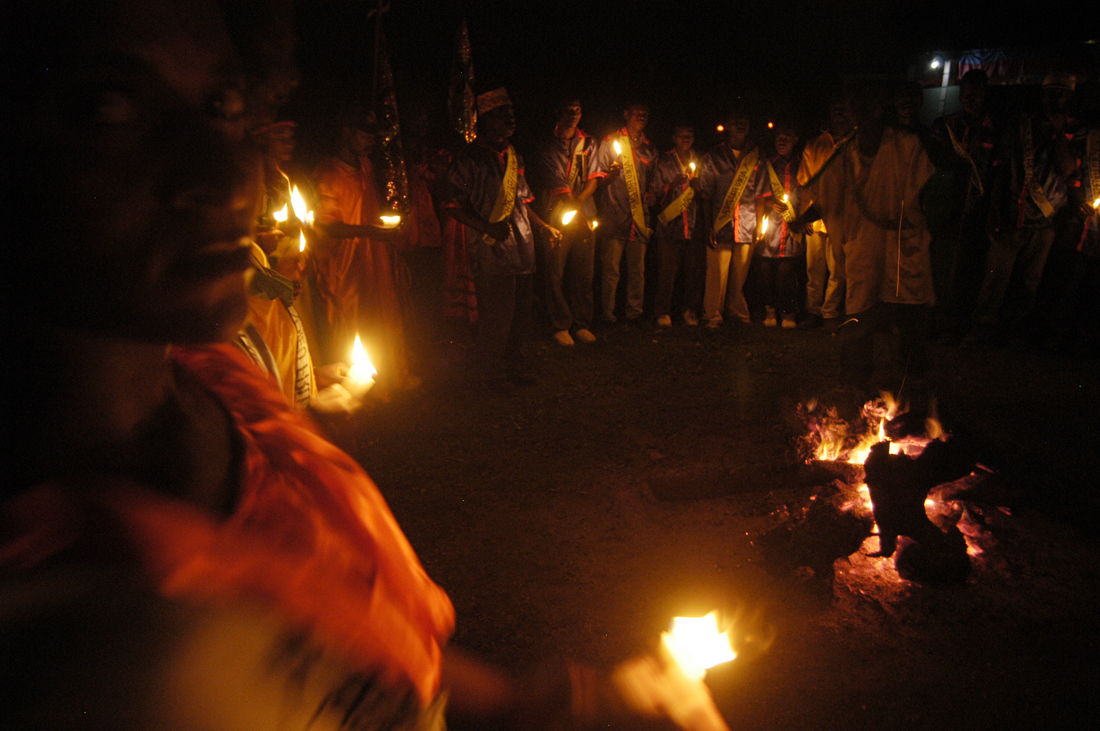
Ghede, Lord of Life and Death
Ghede, the Lord of the Underworld, is also the master of life itself, deeply connected to sexuality and the protection of children. He is known for his voracious appetite, consuming food in handfuls and washing it down with shots of brandy. Yet, he is also elegant and refined, intolerant of any challenge to his authority.On one occasion, a multitude of Ghede—Voodoo priests possessed by the spirit—marched on President Borno’s Palace in Port-au-Prince, singing, "Papa Ghede is a handsome fellow." All were dressed in their finest Ghede attire: top hat, coat tails, dark sunglasses, smoking cigarettes or cigars, and carrying canes. When they arrived, they demanded money, and the President, fully aware that no force is more powerful than death itself, complied. Ghede wears dark glasses because spending so much time beneath the Earth makes his eyes sensitive to sunlight. With his left eye, he watches over the universe, and with his right eye, he keeps an eye on his food.
Ogoun
Ogoun, god of war, fire, and patron of blacksmiths, is often depicted riding a white horse. As a military leader, Ogoun has gained considerable political insight; the council of gods cannot convene to decide Haiti's future without his presence.Believers in Ogoun hold that during rituals they are possessed by a 'loa.' This spirit moves the soul of the devotee to their 'gros-bon-ange' (big good angel), which survives death and transforms into one of the invisible spirits.
List of Voodoo Gods
Aganju: represents the Earth (male). Son of Obatala and Odudua.Ajé Xalunga: symbolizes wealth.
Bratassi: spirit of the African Mussondi tribe.
Brigit: daughter of Baron Samedi.
Caboclo / to: spirit of a deceased Indigenous person or tribal member.
Cacapul: spirit of the African Mussai tribe.
Congo: spirit associated with the Congo River.
Dada: embodies the plant kingdom.
Exu: embodies forces hostile to humans and is often equated with Christian demons.
Exu King or Mayoral: regarded as the Lucifer figure in Christianity.
Exu King of the Seven Crossroads: invoked in spells, incantations, and magical rites.
Exu Closes Roads (Exu Helium): subordinate to the Exu of the Seven Crossroads.
Exu Hairy: protective spirit called upon for defense against enemies and during danger.
Exu Breaks Branches: lord of the forests and desire.
Exu Paloma Negra: a devilish succubus figure.
Exu of the Seven Crosses: guardian of cemeteries.
Exu Skull: king of the cemeteries.
Exu Ganga: another demonic figure linked to cemeteries.
Exu Bat: vampiric demon.
Exu Armas: another cemetery demon.
Exu of Thresholds: demon guarding doorways of homes.
Exu Quirimbo: a powerful devil embodying lust.
Exu of Seven Gates: protector of thieves.
Seven Devils Exu: a different set of demonic crossroads spirits.
Exu of the Black Pi?ras: lord of treasures and wealth.
Exu Brasa: fire demon.
Exu Arrancatodo: a versatile devil figure.
Exu Pagano: devil associated with hatred and jealousy.
Midnight Exu: devil of languages.
Exu of the Black Cloak: oversees and watches over their fellow humans.
GE: spirit of the African Mandingo tribe.
Ibeji (Do-u, Dois Dois, kisses): Orisha of children, often identified with Saints Cosmas and Damian, as well as Saints Crispin and Crispinian.
Legba (Papa Legba): often associated with St. Anthony or even Exu—though depicted more as a devilish temptor or cunning lawyer than as a corrupter or enemy of divinity. He guards the crossroads, allowing access to the orishas during trance.
Limba (Linglessus): a wild force fond of drinking the blood of its victims.
Mandinga (Bacalú-Baca): spirit connected with black magic.
Mondingue: spirit of the African Mayombe tribe.
Obatala (Orixala, Oxala, Zambi): represents natural forces and the sky, considered the prince of the orishas. Often identified with Jesus Christ. His preferred image is that of Christ in the moment of a peaceful death.
Odudua: Orisha of the Earth.
Ogou Ashadé: spirit concerned with healing wounds sustained in battle.
Ogou Badugri: orisha of military commanders.
Ogou Ferraille: orisha associated with soldiers and infantry troops.
Ogun: orisha of violence and war, whose fetishes include iron and weapons capable of inflicting death such as knives and daggers. He is identified with St. George, St. Paul, St. John, and St. Roch.
Oke: represents mountains.
Oko: orisha of agriculture.
Olokun: orisha of the sea.
Olorun (Ntu, Mawu, Bon Dieu): the one supreme deity, unknowable and beyond reach.
Oloza: symbolizes lakes.
Omulu (Xapanan, Ototo): embodies plague and disease. He is identified with St. Lazarus, the Christ of the Good Death, St. Benedict, or St. Sebastian.
Orun: orisha representing the Sun.
Oxóssi: spirit of hunting and animals, king of the jungle. Identified with St. Benedict, St. George, or St. Sebastian.
Oxu: orisha of the moon.
Oxun: female orisha of water, rainbows, and clouds; she represents the African river bearing the same name. Oxun is identified with the Virgin of Lourdes or Saint Anne.
Oya: Orisha of the Niger River.
Pai do Mato (Portuguese for "Lord of the Forest"): a spirit identified with the Greco-Roman god Pan.
Pope Ogou: a modern interpretation of Ogun, viewed as a general among the orishas.
Preto / to Velho / to: spirits of deceased black people.
Samedi (Baron Samedi): lord of the cemeteries.
Shango (Shangó-Dzakuta, Xango, Agodo Beri): represents lightning and is said to hurl meteors from the sky. Orisha of lightning, waterfalls, and meteoric phenomena. Identifications include Archangel Michael, Saint Barbara, Saint Anthony, Saint John the Baptist, and Saint Jerome, depending on the source.
Talamor: spirit of the African Bliki tribe.
Yansan: wife of Shango, lady of clouds and storms. Orisha of wind, storms, and vengeance. She is identified with Saint Barbara.
Yemanyá: represents the power of waters as a source of life. She is identified with the Virgin Mary and is the daughter of Obatala and Odudua.
Continue reading: What is Voodoo?