Voodoo zombies in Haiti: the true story
In the 1970s and 80s, zombies were iconic figures in horror films, and today they have cemented their place in popular culture. These creatures, often called walkers or reanimated corpses, have infiltrated movies, music, and even philosophical discussions. Yet few realize that in 1997, the journal The Lancet published a study on three actual Haitian zombies.
The controversial study was conducted by British anthropologist Roland Littlewood and doctor Chavannes Douyon, who examined three individuals identified as zombies after their apparent deaths. Haitian beliefs about creating zombies involve dividing the human being into several parts: the body, the Gwo Bon Ankh (the vital life force), and the Ti Bon Ankh (which represents consciousness and memory). According to these traditions, a person’s consciousness and memories can be separated from their body and captured by a Boko — a type of spiritual sorcerer who wields power unethically to curse others or fulfill selfish goals. So, are zombies real?
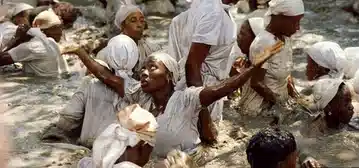 Zombies are widely known through fiction, but for many people in Haiti and elsewhere, they are a genuine reality. This isn’t mere superstition; the phenomenon is taken seriously. Belief in magic and sorcery runs deeply throughout Haiti and the Caribbean, often manifesting within religions such as santería and Voodoo..
In Haitian folklore, zombies are believed to be individuals brought back from the dead—sometimes controlled—through magical means by Voodoo priests known as bokors or houngans. Sometimes zombification serves as a form of punishment, instilling fear that persists even after death. Other times, zombies have been exploited as slave labor on farms and sugar cane plantations. In one case in 1980, a man with mental illness claimed he had been held captive and forced to work as a zombie laborer for two decades.
For decades, Westerners dismissed zombies as fictional monsters, but in the 1980s interest grew when a scientist named Wade Davis claimed to have discovered a powder capable of creating zombies, lending a scientific explanation to the stories. Davis himself did not believe in voodoo magic, but he proposed that he found a substance that could induce a zombified state—a potent neurotoxin called tetrodotoxin, found in creatures like the pufferfish. Davis said he had infiltrated secret bokor societies and acquired samples of the zombie powderwhich were subsequently subjected to chemical analysis.
Davis documented his findings in a book titled "The Serpent and the Rainbow," which later inspired a film by horror maestro Wes Craven. For a while, Davis was hailed as the scientist who solved the mystery of zombies. However, skeptics soon challenged his claims, criticizing his scientific methods and questioning the validity of the powder samples. They also pointed out that the concentrations of the neurotoxin found were insufficient to induce zombification. Furthermore, the dosage required had to be incredibly precise—too much toxin would simply kill the person. Experts in Haitian magic also noted that beyond the powder, it was the ritual magic performed by witch doctors that was critical in creating zombies—a combination essential to the process.
This belief centers on controlling the soul, compelling it to perform various tasks. The astral zombie is often kept confined within a bottle or skull. These objects can be sold to clients seeking luck, healing, or business success. It is believed that the soul eventually returns, so zombies are considered temporary spiritual entities. Haitian folklore says salt can return zombies to their graves, as salt restores a zombie’s senses. Often, the zombie will attack the bokor who created it or return to its burial place, where it dies.
So the question remains: are zombies a phenomenon caused by chemical agents, or do they transcend rational explanation? Clues might be found in the behavior of real Haitian zombies. A respected Haitian doctor employed advanced medical technology, including CT scans, to examine a man who claimed he had been zombified. The doctor discovered brain damage caused by insufficient oxygen supply—behavior consistent with the idea that the man’s soul had been stolen.
Many other accounts surrounding the Haitian zombie phenomenon can be explored. While a large number of people believe that Haitian zombies arise from tetrodotoxin poisoning, there remains a possibility that the soul itself becomes trapped after death. Everyone is free to form their own opinion about the zombie phenomenon, but one thing is clear: zombies do exist.
See What is Voodoo?
The controversial study was conducted by British anthropologist Roland Littlewood and doctor Chavannes Douyon, who examined three individuals identified as zombies after their apparent deaths. Haitian beliefs about creating zombies involve dividing the human being into several parts: the body, the Gwo Bon Ankh (the vital life force), and the Ti Bon Ankh (which represents consciousness and memory). According to these traditions, a person’s consciousness and memories can be separated from their body and captured by a Boko — a type of spiritual sorcerer who wields power unethically to curse others or fulfill selfish goals. So, are zombies real?
Science or Voodoo?
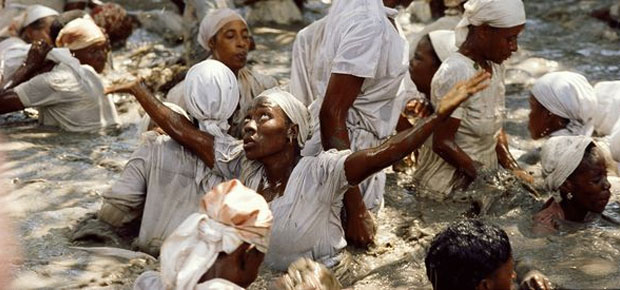 Zombies are widely known through fiction, but for many people in Haiti and elsewhere, they are a genuine reality. This isn’t mere superstition; the phenomenon is taken seriously. Belief in magic and sorcery runs deeply throughout Haiti and the Caribbean, often manifesting within religions such as santería and Voodoo..
In Haitian folklore, zombies are believed to be individuals brought back from the dead—sometimes controlled—through magical means by Voodoo priests known as bokors or houngans. Sometimes zombification serves as a form of punishment, instilling fear that persists even after death. Other times, zombies have been exploited as slave labor on farms and sugar cane plantations. In one case in 1980, a man with mental illness claimed he had been held captive and forced to work as a zombie laborer for two decades.
For decades, Westerners dismissed zombies as fictional monsters, but in the 1980s interest grew when a scientist named Wade Davis claimed to have discovered a powder capable of creating zombies, lending a scientific explanation to the stories. Davis himself did not believe in voodoo magic, but he proposed that he found a substance that could induce a zombified state—a potent neurotoxin called tetrodotoxin, found in creatures like the pufferfish. Davis said he had infiltrated secret bokor societies and acquired samples of the zombie powderwhich were subsequently subjected to chemical analysis.
Davis documented his findings in a book titled "The Serpent and the Rainbow," which later inspired a film by horror maestro Wes Craven. For a while, Davis was hailed as the scientist who solved the mystery of zombies. However, skeptics soon challenged his claims, criticizing his scientific methods and questioning the validity of the powder samples. They also pointed out that the concentrations of the neurotoxin found were insufficient to induce zombification. Furthermore, the dosage required had to be incredibly precise—too much toxin would simply kill the person. Experts in Haitian magic also noted that beyond the powder, it was the ritual magic performed by witch doctors that was critical in creating zombies—a combination essential to the process.
Voodoo Zombies: A phenomenon beyond rational explanation
As mentioned earlier, Voodoo tradition holds that a bokor or sorcerer can revive a dead person, who then remains under the bokor's control, lacking free will. Beyond this physical theory, there is also belief in the astral zombie—a fragment of a person's soul captured by a bokor to enhance spiritual power.This belief centers on controlling the soul, compelling it to perform various tasks. The astral zombie is often kept confined within a bottle or skull. These objects can be sold to clients seeking luck, healing, or business success. It is believed that the soul eventually returns, so zombies are considered temporary spiritual entities. Haitian folklore says salt can return zombies to their graves, as salt restores a zombie’s senses. Often, the zombie will attack the bokor who created it or return to its burial place, where it dies.
So the question remains: are zombies a phenomenon caused by chemical agents, or do they transcend rational explanation? Clues might be found in the behavior of real Haitian zombies. A respected Haitian doctor employed advanced medical technology, including CT scans, to examine a man who claimed he had been zombified. The doctor discovered brain damage caused by insufficient oxygen supply—behavior consistent with the idea that the man’s soul had been stolen.
Many other accounts surrounding the Haitian zombie phenomenon can be explored. While a large number of people believe that Haitian zombies arise from tetrodotoxin poisoning, there remains a possibility that the soul itself becomes trapped after death. Everyone is free to form their own opinion about the zombie phenomenon, but one thing is clear: zombies do exist.
See What is Voodoo?