Wicca Ritual: everything you should know about Wicca
Wicca Rituals: Everything You Need to Know About WiccaWicca is a pagan religion, much like other ancient spiritual traditions such as Druidry, and the belief systems of the Egyptians, Greeks, Romans, and Sumerians. It encompasses specific rituals practiced by its adherents. Many Wiccans are solitary practitioners who perform their rituals independently. Others gather in informal groups called covens, which generally have no formal hierarchy beyond the coven itself. Unlike many mainstream religions, Wicca lacks large state, provincial, or national organizations. Within covens, a high priest or priestess may be chosen by members to serve in that role.
Read more: An Introduction to Wiccan Magic
 Almost everyone is familiar with Christianity, Islam, and Judaism. Buddhism and Hinduism typically come next in recognition. However, if you mention Wicca to the average person, you’re likely to be met with a blank stare. This stems largely from the fact that many Wiccans tend to keep their faith private, often out of fear of various forms of discrimination. In a recent survey of 3,798 Wiccan practitioners, the following was revealed:
17% keep their religion completely secret...
33% only allow their friends or closest family to know they are Wiccans.
30% openly talk about their religion.
20% are entirely public about their faith.
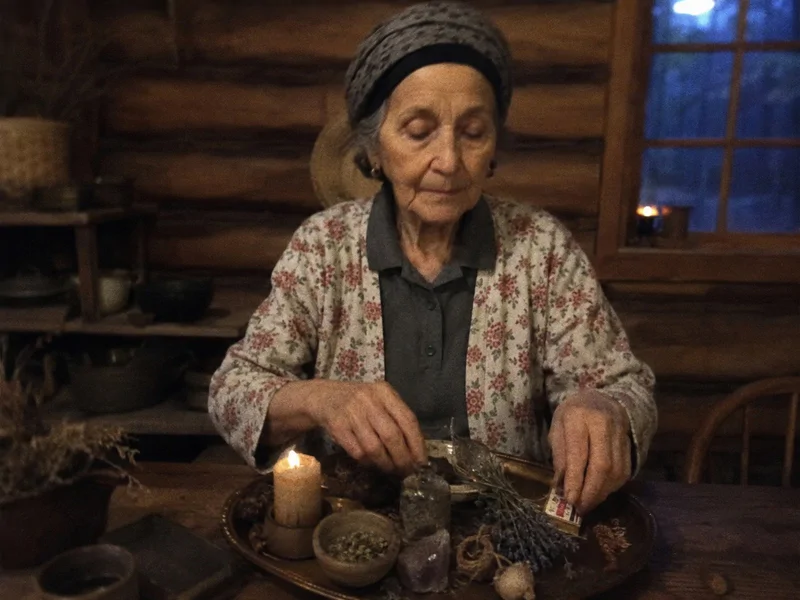
Wiccans prefer to gather outdoors whenever possible, but climate conditions or safety concerns often require them to meet indoors. These gatherings typically take place in a circle about three meters (ten feet) in diameter. Candles are arranged around the circle, oriented toward the four cardinal points. Some Wiccans also decorate the walls with symbolic banners or sails. An altar is set up either at the center of the circle or near the northern banner. Rituals begin with the casting and purification of the circle and its candles. Practitioners then create a sacred space inside the circle, sometimes envisioned as a sphere, cylinder, or cone, to contain the magical energy until it is deliberately released.
Wiccan rituals serve various purposes. Many are celebratory, marking occasions like the full moon, new moon, Sabbats, or other special ceremonies. Others focus on healing, divination using tools such as Tarot cards or runes, teaching, consecrating ritual tools, or activities rooted in nature worship. After completing the main ritual, participants often share food and drink—traditionally cakes and wine—before closing the circle. Due to growing concerns about alcohol and substance abuse, some groups have replaced wine with juice, water, or other alternatives.
Read more: Esbats: Wiccan Full Moon Rituals
Initiation: a symbolic death and rebirth into Wicca, often accompanied by adopting a new name.
Handfasting: originally a marriage lasting one year, but today most Wiccans consider it the creation of a permanent partnership.
Separation of the Roads: a ritual recognising the end of a marriage or partnership.
Wiccaning or Baby Presentation: a welcoming ceremony for a child into the religion without imposing obligations on the child.
Funeral Ceremony: a respectful farewell or requiem for a deceased Wiccan.
Many practitioners also design their own unique rituals to mark special moments in their lives.
Also read: Becoming a Witch: 8 Secrets to Transform Your Life
Both together say: “All the fruits of the Earth are the result of the union, your womb, your dance, Lady and Lord. Come, join us, celebrate with us, enjoy with us.”
Priest: “Just as the athame represents the God,”
Priestess: “The chalice represents the Goddess.”
Both (as the priest dips the athame into the chalice): “And, together, they bring blessing.”
Some Wiccan couples who are already involved in a committed sexual relationship may include actual sexual intercourse during this Great Ritual. This act, done privately between the two partners, further symbolizes the sacred union of the God and Goddess.
This concludes our article about Wiccan RitualsContinue exploring this website to discover more about Wicca, witchcraft, and home ritual practices.
Read more: An Introduction to Wiccan Magic
The Wicca Religion
 Almost everyone is familiar with Christianity, Islam, and Judaism. Buddhism and Hinduism typically come next in recognition. However, if you mention Wicca to the average person, you’re likely to be met with a blank stare. This stems largely from the fact that many Wiccans tend to keep their faith private, often out of fear of various forms of discrimination. In a recent survey of 3,798 Wiccan practitioners, the following was revealed:
17% keep their religion completely secret...
33% only allow their friends or closest family to know they are Wiccans.
30% openly talk about their religion.
20% are entirely public about their faith.
Wiccan Rituals
Wiccans prefer to gather outdoors whenever possible, but climate conditions or safety concerns often require them to meet indoors. These gatherings typically take place in a circle about three meters (ten feet) in diameter. Candles are arranged around the circle, oriented toward the four cardinal points. Some Wiccans also decorate the walls with symbolic banners or sails. An altar is set up either at the center of the circle or near the northern banner. Rituals begin with the casting and purification of the circle and its candles. Practitioners then create a sacred space inside the circle, sometimes envisioned as a sphere, cylinder, or cone, to contain the magical energy until it is deliberately released.Wiccan rituals serve various purposes. Many are celebratory, marking occasions like the full moon, new moon, Sabbats, or other special ceremonies. Others focus on healing, divination using tools such as Tarot cards or runes, teaching, consecrating ritual tools, or activities rooted in nature worship. After completing the main ritual, participants often share food and drink—traditionally cakes and wine—before closing the circle. Due to growing concerns about alcohol and substance abuse, some groups have replaced wine with juice, water, or other alternatives.
Read more: Esbats: Wiccan Full Moon Rituals
Wiccan Sabbats
Sabbats are seasonal festivals celebrated throughout the year, with eight key Sabbats spaced roughly 45 days apart. There are four minor Sabbats, which coincide with the equinoxes and solstices: the vernal equinox around March 21 and the autumnal equinox around September 21, and the winter solstice around December 21—the longest night of the year in the northern hemisphere—and the summer solstice around June 21—the shortest night. The exact dates can shift annually, usually falling between the 20th and 23rd of the month. Between these minor Sabbats are the four major Sabbats, occurring about halfway between them, typically toward the end of a month. Various Wiccan traditions assign different names and dates to these festivals. The most common names have Celtic origins: Samhain (October 31), Imbolc (February 2), Beltane (April 30), and Lammas (August 1). These dates are approximate. Historically, these Sabbats likely originate from agricultural cycles, hunting seasons, and animal fertility rites. Numerous other Wiccan rituals are practiced worldwide as well.Rituals of Passage
Dedication: when a person publicly affirms their interest and commitment to Wiccan culture.Initiation: a symbolic death and rebirth into Wicca, often accompanied by adopting a new name.
Handfasting: originally a marriage lasting one year, but today most Wiccans consider it the creation of a permanent partnership.
Separation of the Roads: a ritual recognising the end of a marriage or partnership.
Wiccaning or Baby Presentation: a welcoming ceremony for a child into the religion without imposing obligations on the child.
Funeral Ceremony: a respectful farewell or requiem for a deceased Wiccan.
Many practitioners also design their own unique rituals to mark special moments in their lives.
Also read: Becoming a Witch: 8 Secrets to Transform Your Life
The Great Wiccan Ritual
This ritual symbolizes the sacred sexual union between the Goddess and the God, believed to be responsible for the creation of life, and it is renewed every spring. It reflects the positive and open attitude many Wiccans hold toward human sexuality. Symbolically, this ritual often takes place after the main ceremony, at the start of sharing food and drink. Within a coven, a man is chosen to hold the athame (ritual dagger) and a woman to hold the chalice, which is pre-filled with wine, beer, juice, or water. The man holds the athame over the chalice with the blade pointing downward as they chant:Both together say: “All the fruits of the Earth are the result of the union, your womb, your dance, Lady and Lord. Come, join us, celebrate with us, enjoy with us.”
Priest: “Just as the athame represents the God,”
Priestess: “The chalice represents the Goddess.”
Both (as the priest dips the athame into the chalice): “And, together, they bring blessing.”
Some Wiccan couples who are already involved in a committed sexual relationship may include actual sexual intercourse during this Great Ritual. This act, done privately between the two partners, further symbolizes the sacred union of the God and Goddess.
This concludes our article about Wiccan RitualsContinue exploring this website to discover more about Wicca, witchcraft, and home ritual practices.
Bibliography
- Gardner, Gerald. The Gardnerian Book of Shadows. Bhoomi Digital Apps, 2016. Source.