Voodoo Course: Learn the Rituals of Voodoo Magic
Although the magical aspects of Voodoo are what most people in the West are familiar with, Voodoo is far more than just magic. It is a religion embraced by millions, complete with its own cosmology and creation myths. The Voodoo practiced by the African diaspora in the New World differs from African Voodoo through the blending of elements from European religions like Christianity, indigenous traditions of the Americas, and influences from other African peoples, such as the Congolese from Central Africa.
Voodoo religion
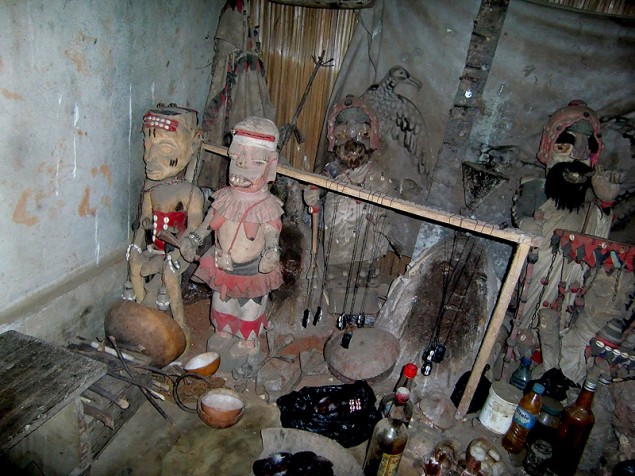 Voodoo cosmology centers on the role of spirits, known as vodun in the Fon language, in everyday life, emphasizing the significance of magical forces and heavenly essences that govern life on Earth. An organized hierarchy exists among these mystical entities. Voodoo controls all aspects of the world—from rocks and trees to individuals, ethnic groups, and entire nations. The vodun spirits are at the heart of spiritual life, acting as intermediaries between humans and higher divine beings. This intermediary role shaped the syncretism between Catholicism and Voodoo, drawing parallels between Saints and the vodun spirits. Additionally, Voodoo followers place great importance on ancestors, believing that the spirits of the dead continue to dwell among the living.
The creation myth of Voodoo describes the universe as being brought into existence by a female deity named Mawu, who gave birth to seven children, each granted dominion over a different aspect of nature. Mawu is associated with the Moon, while the principal male deity, Lisa, is linked to the Sun. In some traditions, Lisa is known as Legba and is symbolized with sexual and phallic imagery. The most important of Mawu and Lisa’s children is Dan, a deity without gender, embodying the balance that sustains peace and order. Every object and being in creation is considered divine, reflecting the power of the gods who made them. Traditional Voodoo medicine emphasizes the role of vodun spirits in healing, utilizing talismans or fetishes often made from dried animal parts or natural objects.
In Voodoo religion, magical rituals are typically conducted by priestesses who seek to connect with the divine mother Mawu or lesser deities to request favors. In many West African villages, Voodoo priestesses perform ceremonies such as weddings and funerals and hold significant standing within their communities. They also participate in decision-making processes affecting the social and communal life.
How is Voodoo practiced?
Voodoo priestesses and priests are chosen at certain points in their lives by an Oracle, after which they enter a period of seclusion in a monastery to learn the secrets of magic and ritual practice. Voodoo religionThe oracles also determine who will serve as the high priest or high priestess—the highest religious authority within the Voodoo faith.Caribbean varieties of Voodoo focus more heavily on magical practices, especially those aimed at influencing others, compared to African Voodoo, which generally does not engage in such practices. The most well-known variants developed in French colonies, including Haitian Vodou and Louisiana Voodoo. In these forms, the supreme deity is called Bondye, derived from the French "Bon Dieu" meaning "good God." Bondye rarely intervenes in human affairs directly, so Voodoo priests act as intermediaries to lesser spirits known as Loa. There is a vast array of Loa, each associated with a specific aspect of reality. Voodoo priests forge personal relationships with these Loa and, depending on the strength of these bonds, can obtain favors. Priestesses honor the Loa by preparing altars, offering sacrifices, and conducting dances, music, and possession ceremonies.
In Haitian Vodou, temples are called Nounfours. Preparing for services requires setting up the altars at least two days in advance. The ceremony begins with songs and prayers directed toward various African and Christian deities, followed by dedicated songs honoring different families of Voodoo spirits. As the service progresses, participants often enter trance states and experience spirit possession as various entities manifest.
Devotion to each Loa includes adhering to specific “taboos” or behavioral rules that each spirit imposes. Different Loa may require different, sometimes conflicting taboos. Observing these taboos ensures the blessings of the Loa but may strain relations with other spirits. Therefore, every Voodoo practitioner cultivates relationships with multiple Loa based on their abilities to honor various taboos. Violating these taboos can lead to illness, financial hardship, the death of family members, or even death itself. Sometimes, animal sacrifices are made to appease the spirits. On a personal level, Voodoo followers often maintain one or more altars dedicated to their ancestors, various deities, and Christian saints. A simple altar might include just a candle, a clear glass of water, and some flowers. In the homes of Voodoo practitioners, it’s common to see only Christian religious items such as rosaries and shrines openly displayed. This is due to the historical persecution of Voodoo practices, which forced followers to conceal their religious artifacts.
How to make a Voodoo doll
Voodoo Dolls, sometimes referred to as magical dolls, have become quite common today. Casting spells with Voodoo dolls is possible if you know where to obtain one. There was even a time when these dolls were sold on nearly every street corner by street vendors and self-proclaimed street magicians.While they may all look similar at first glance, there are actually many different types of Voodoo dolls, each designed to serve specific purposes that people entrust with their own fate.
Discover the power of effective Voodoo magic that can attract wealth, health, love, and luck into your life! Create your own Voodoo doll and start improving every aspect of your life!
One of the most popular types of dolls are those created to absorb worries. These dolls are said to "take on" your concerns, so when you feel burdened by a particular issue, the worry doll is thought to carry that burden for you—a feature sure to be a success. success Indeed, worry dolls are experiencing a resurgence in popularity these days.
The basic idea is to tie a piece of colored string around the neck of the doll to symbolize the area you want to resolve. For example, red represents physical health, yellow intellect, blue work, purple spirituality, green money, orange emotions, and pink—most sought after—love. It's that simple: by doing this, you’ve effectively transferred your worries to the doll without having to perform complex spells using Voodoo dolls.
Another option is to learn how to make your own Voodoo doll. In fact, it’s quite easy, requiring only simple craft supplies like scissors, fabric, string, sewing tools, and stuffing.
You’ll essentially be making a rag doll from the ground up. It doesn’t have to be perfect; what matters most is that you put your heart into it. It may sound a bit sentimental, but this genuine care makes your Voodoo dolls feel more lifelike and possibly more effective.
Using Voodoo dolls to cast spells is one of the oldest practices in the magical world. They have historically been used with both positive and negative intentions, depending on the wielder. While often perceived as tools for exacting revenge on enemies, modern Voodoo practitioners increasingly encourage their use as positive aids to address personal problems and challenges.
Approached with a positive mindset, Voodoo dolls can be used to fulfill certain wishes and desires and sometimes help foster a more optimistic outlook, encouraging you to view your problems from a brighter, healthier perspective.
It’s important to remember that Voodoo doll spells only work if you truly believe in them. If you have faith, you can use Voodoo magic and dolls at any time to manifest your wishes and desires.